
Job-winning resume tips are your golden ticket to not just getting noticed but also getting hired! Picture your resume as a dazzling peacock strutting its colorful feathers—it’s got to catch the eye and leave a lasting impression. In a world where hiring managers sift through mountains of applications, standing out with a stellar resume is essential. It’s not just about listing your past jobs; it’s about crafting a narrative that showcases your unique skills and experiences tailored to the job you’re eyeing.
From the essentials every resume should include to the persuasive power of a well-crafted cover letter, we’ll guide you through the art of resume writing. Get ready to discover the magic of action verbs, industry-specific formatting styles, and tips to avoid common pitfalls. Whether you’re chasing a role in the bustling restaurant industry or aiming for a corporate climb, our tips will have you strutting into that interview with confidence!
Resume Essentials
When it comes to crafting a job-winning resume, it’s important to remember that a resume is not just a list of your previous jobs and skills; it’s your personal marketing document. Your resume should dazzle like a disco ball at a 70s dance party, but it should also be strategically polished to ensure it grabs the attention of hiring managers.
A well-structured resume contains certain essential components that together create a powerful narrative about your professional journey. Tailoring your resume to each specific job application is like putting on a custom-tailored suit; it fits just right and makes you stand out in a crowd. Let’s dive into the vital components that every job-winning resume should include.
Essential Components of a Winning Resume
To make a significant impact, your resume should include the following key components, each contributing to the overall effectiveness of your job application:
- Contact Information: Your name, phone number, email address, and LinkedIn profile (if applicable). Make this section easy to find—like a GPS guiding someone to the nearest taco truck!
- Professional Summary: A brief statement summarizing your experience and what you bring to the table. Think of it as your elevator pitch, but without the awkward elevator ride.
- Work Experience: A detailed list of your previous job positions, including relevant accomplishments and responsibilities. It’s where you showcase your superhero skills in the workplace.
- Education: Your degrees, certifications, and relevant coursework. If you have a diploma, flaunt it like a trophy!
- Skills: A targeted list of skills that align with the job description. This makes it clear to the hiring manager that you’re not just a jack-of-all-trades, but a master of the ones that matter.
- Additional Sections: Optional sections like certifications, volunteer experience, or professional affiliations can add extra sparkle to your resume, just like sprinkles on a cupcake.
Tailoring your resume is paramount. Each job description contains clues about what the employer values, so sprinkle those s throughout your resume like fairy dust. This not only highlights your fit for the role but also helps your resume glide past Applicant Tracking Systems (ATS) with the grace of a ballet dancer.
Effective Action Verbs
Using the right action verbs can breathe life into your resume, transforming mundane tasks into exciting achievements. Here are some examples to elevate your resume language from “blah” to “brilliant”:
- Achieved: Show that you don’t just complete tasks; you excel at them!
- Implemented: Perfect for showcasing how you put plans into action, like a maestro conducting a symphony.
- Enhanced: This verb indicates that you’re all about improvement, giving a glow-up to projects and processes.
- Collaborated: Emphasizing teamwork shows that you can play well with others—no sandbox tantrums here!
- Streamlined: This showcases your efficiency and problem-solving skills, like an organizational wizard casting spells to make chaos disappear.
Remember, your resume should reflect your unique personal brand while resonating with the employer’s needs. So, as you embark on the quest for your next job, equip yourself with these essentials, and let your resume do the talking—preferably in a charming, confident voice!
Cover Letter Strategies
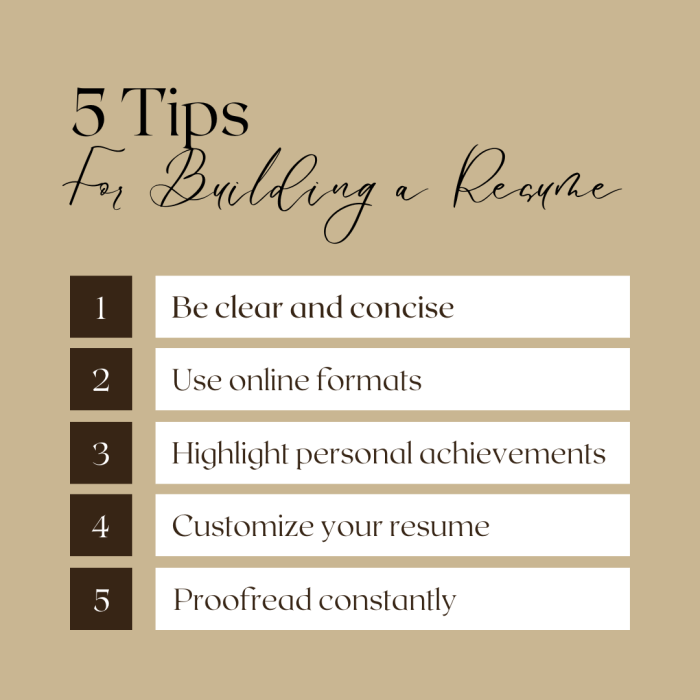
Writing a cover letter that stands out in a sea of applicants is as essential as wearing socks with sandals—inevitably regrettable unless done with flair! A cover letter is your chance to showcase personality and fit for the role. It’s not just a formality; it’s your opportunity to woo hiring managers and to make them wonder, “Why hasn’t this gem applied sooner?”
Step-by-Step Guide for Writing a Persuasive Cover Letter
Crafting an enticing cover letter is like preparing a gourmet meal—each ingredient matters! Here’s a recipe for success:
1. Start with a Bang
Open with a captivating first sentence. Instead of “I am applying for…” try something like “As a passionate digital wizard with a knack for turning clicks into clients, I was thrilled to discover the opening at [Company Name].”
2. Tailor Your Message
Customize your letter for the specific job. Integrate the company’s values and mission into your narrative. If they’re all about innovation, share a time when you innovated a project that saved the day (and maybe a few dollars).
3. Showcase Your Skills
Highlight your skills relevant to the job. Use bullet points to make them pop. For example:
Developed a user-friendly app that increased user retention by 30%.
Successfully led a team to launch a project two weeks ahead of schedule.
4. Tell a Story
Illustrate your journey with a brief anecdote that emphasizes your qualifications while keeping it engaging. Like a Netflix series, keep them on the edge of their seats!
5. Wrap Up with Enthusiasm
Conclude with a call to action that expresses your eagerness to discuss how you can contribute to the team at [Company Name]. Something like, “I would love to discuss how my background and your needs align over a cup of coffee—or a virtual chat if that’s your jam.”
Common Mistakes to Avoid When Drafting a Cover Letter
Even the best chefs burn the toast now and then! Here’s how to avoid those cover letter faux pas that could turn your application from gourmet to gruel:
Generic Language
Avoid phrases like “To whom it may concern.” Show you’ve done your homework by addressing it to a specific person.
Repetition
Don’t just regurgitate your resume. Use your cover letter to expand upon your experiences and provide context.
Typos and Grammatical Errors
Spelling mistakes are like spinach in your teeth—they ruin the whole look! Proofread your letter or, better yet, have a friend review it.
Being Too Formal or Too Casual
Striking the right tone is crucial. You want to sound professional but also relatable. Remember, you’re not writing to your grandma!
Failing to Follow Instructions
If the job posting asks for a specific format or to answer certain questions in your cover letter, you better believe they notice if you don’t.
Personalizing a Cover Letter for the Company and Role
Personalization is the secret sauce that makes your cover letter memorable. Here’s how to infuse it with that special flair:
Use the Company’s Language
Incorporate s and phrases from the job description. This shows you understand the role and can communicate effectively within the company culture.
Align with Company Values
Research the company’s mission statement and recent projects, and weave them into your narrative. If the company values sustainability, mention how your previous roles demonstrated your commitment to eco-friendly practices.
Mention a Recent News Item
If the company recently launched an exciting product or initiative, reference it in your cover letter. For instance, “I was particularly impressed by [Company Name]’s recent launch of [Product] and would love to contribute to its success.”
Connect on a Personal Level
If you share a common interest with the company’s mission or a recent event (like a conference), mention it. This creates an immediate bond with the reader.
End with a Personal Touch
Finish your letter by expressing genuine enthusiasm for the opportunity and mentioning how you look forward to contributing to their team. A personal touch can make all the difference!
Industry-Specific Tips
Navigating the world of resumes is like trying to find a decent cup of coffee in a sea of decaf: tricky, but not impossible! When it comes to crafting a standout resume, tailoring your approach to specific industries can be the secret ingredient to your success. Let’s dive into the nitty-gritty of what gets noticed in the restaurant sector, how to showcase your business productivity skills, and the differences in resume expectations between sales management and small business positions.
Resume Formatting in the Restaurant Industry
In the bustling realm of restaurants, first impressions matter more than a perfectly plated dish. The right formatting can serve up your qualifications in a way that’s palate-pleasing to hiring managers. Here are key points to consider:
- Clean Layout: Use a clear, easy-to-read font (think Arial, not Comic Sans). Keep plenty of white space to avoid visual clutter; after all, nobody wants a resume that looks like a crowded buffet.
- Highlight Relevant Experience: Place your most relevant job experiences at the top. If you’ve been a server, bartender, or manager, those roles should be front and center, like the daily special.
- Use Industry Lingo: Sprinkle in terms like “guest satisfaction,” “food safety,” and “team management.” This not only shows you speak the language but also that you understand the hustle of the industry.
- Bullet Points for Awesomeness: Use bullet points to detail your achievements, making them easy to digest (like a good appetizer). Focus on what you accomplished, e.g., “Increased table turnover by 20% during peak hours.”
Highlighting Skills for Business Productivity Roles
In business productivity roles, your resume should read like a well-organized spreadsheet. It’s all about demonstrating how your skills can drive efficiency and results. Here’s how to do it:
- Focus on Results: Instead of listing responsibilities, highlight achievements with quantifiable outcomes. For example, “Implemented a new filing system that reduced retrieval time by 30%.”
- Skills Section: Create a dedicated skills section that includes relevant software (like Excel or project management tools) and methodologies (like Agile or Lean). This shows you come equipped with the tools for success.
- Soft Skills Matter: Don’t forget to showcase your communication and teamwork skills, as these are vital in collaborative environments. Consider wording like “Facilitated cross-departmental project meetings” to illustrate your ability to work well with others.
Resume Requirements in Sales Management versus Small Business Positions
When it comes to crafting a resume for sales management versus small business roles, the key differences can be as stark as a solo act versus a full band. Here’s a comparison that’ll help you strum the right chord with each type of employer:
| Aspect | Sales Management | Small Business |
|---|---|---|
| Structure | Formal and structured, often with multiple sections dedicated to key achievements and metrics. | Flexible and less formal, focusing on a narrative that showcases versatility and adaptability. |
| Experience | Emphasis on sales figures, team leadership, and strategic initiatives. | Broader focus on various roles, showcasing a jack-of-all-trades ability to wear multiple hats. |
| s | Use industry-specific jargon related to sales cycles, KPIs, and market analysis. | Highlight entrepreneurial skills, problem-solving, and community engagement. |
“The right resume format can be the difference between landing an interview and being lost in the digital abyss.”
Closing Summary
And there you have it, a treasure trove of job-winning resume tips that transform your application from ordinary to extraordinary! Remember, your resume is a dynamic storyteller, and with the right ingredients, it can narrate your career journey in a way that captivates employers. So, dust off those keyboards, sprinkle in some creativity, and hit send on those applications—it’s time for your dream job to come knocking!
Question & Answer Hub
What should I include in my resume?
Your resume should include contact information, a summary statement, work experience, education, skills, and any relevant certifications or accomplishments.
How important is it to tailor my resume?
Tailoring your resume to match specific job descriptions increases your chances of getting noticed, as it shows employers that you’re a perfect fit for the role.
What action verbs can make my resume pop?
Consider using verbs like ‘achieved,’ ‘developed,’ ‘managed,’ ‘designed,’ and ‘implemented’ to highlight your accomplishments and experiences dynamically.
How long should my resume be?
Ideally, keep your resume to one page if you’re early in your career; two pages can be acceptable for those with more extensive experience.
What common mistakes should I avoid?
Avoid typos, generic language, and including irrelevant information—keep it concise, clear, and focused on the job you’re applying for!


