
Welcome to the whimsical world of Restaurant menu design, where your taste buds aren’t the only things getting tickled! Picture this: a vibrant array of colors, fonts that sing, and categories that dance across the page, all serving one purpose—to make your mouth water and your wallet open. As we dive into the nitty-gritty of menu magic, prepare to discover how these culinary choreographies can transform a mundane dining experience into a gastronomic gala!
In this delightful exploration, we’ll unravel the science behind color theory, the art of typography, and the wizardry of visual hierarchy. We’ll also dish out some delicious examples from the crème de la crème of the restaurant world, revealing trends that not only speak to modern diners but also make traditional menus feel like yesterday’s news. So grab your forks and let’s dig in!
Restaurant Menu Design Principles
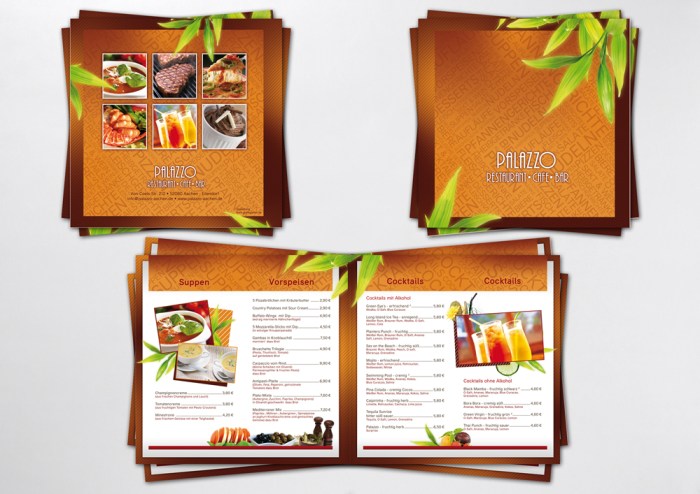
Designing a restaurant menu is akin to composing a symphony—each element must harmonize to create an unforgettable dining experience. Just as a maestro orchestrates music, a well-crafted menu guides patrons through their culinary adventure, enticing them to indulge in your restaurant’s tasty offerings. Let’s dive into the colorful world of menu design principles that not only showcase your dishes but also make your patrons’ jaws drop (in a good way, of course).
Importance of Color Theory in Restaurant Menu Design
Color is the hidden ingredient in your menu that can significantly influence diners’ appetites and choices. Understanding color theory helps create an atmosphere that resonates with your brand and the dining experience you want to evoke. Each hue carries psychological implications that can stir emotions and prompt decisions. The right palette can make your menu as irresistible as a warm chocolate brownie fresh out of the oven.
- Warm Colors: Reds, oranges, and yellows are known to stimulate appetite. Think of the vibrant red associated with ketchup or the sunny yellow of a lemon tart. They can create a sense of warmth and excitement.
- Cool Colors: Blues and greens are often associated with calm and health. While they may not be the go-to for a hearty meal, they work wonders for salad bars and health-focused cafes.
- Accent Colors: Using contrasting colors can draw attention to specific items. A splash of green font on a white background can make a salad shine brighter than the sun on a summer’s day.
“Color is the keyboard, the eyes are the harmonies, the soul is the piano with many strings.”
Wassily Kandinsky
Typography Choices that Enhance Readability and Appeal
Typography is the unsung hero of menu design. The right font can elevate a menu from plain to extraordinary, ensuring your customers can read every word without squinting. Different styles convey different messages, and choosing the right one for your theme is paramount.
- Serif Fonts: These fonts, with their traditional flair, exude elegance and are perfect for upscale dining establishments. Think of them as the tuxedo of fonts—always in style.
- Sans-serif Fonts: Modern and clean, sans-serif fonts are easy to read and lend a casual vibe, ideal for quick-service restaurants and cafes. They’re the comfy jeans of typography.
- Script Fonts: Use these sparingly for special items or headings, as they can be charming yet sometimes hard to read. They add a personal touch, like a handwritten love note from the chef.
“Fonts are like clothes for your words. Choose wisely!”
Methods for Organizing Menu Items into Categories Effectively
A well-organized menu is like a well-organized kitchen—everything is in its place and easy to find. Categorizing menu items not only enhances the dining experience but also guides customers towards their next culinary delight.
- Logical Grouping: Arrange items in a way that makes sense, such as appetizers, mains, and desserts. This allows diners to navigate your menu as smoothly as a knife through butter.
- Highlighting Specials: Use sections to showcase daily specials or chef recommendations, making them stand out like a diamond in a sea of rhinestones.
- Descriptive Titles: Give each category a catchy name that reflects your restaurant’s personality; for instance, “Heavenly Starters” or “Decadent Delights.” This adds a touch of flair and fun!
“A tidy menu leads to a tidy mind—or at least a satisfied stomach!”
Enhancing Customer Experience Through Menu Design
Menu design is not just a list of food items; it’s a carefully curated journey that guides diners through an unforgettable culinary experience. By artfully arranging items, using appealing visuals, and crafting enticing descriptions, restaurants can dramatically influence customer choices and satisfaction. Imagine walking into a restaurant where the menu sings a tantalizing melody of flavors, leading you to select that ‘to-die-for’ dessert even before you’ve tasted the main course.
That’s the power of strategic menu design!
Visual Hierarchy and Customer Decision-Making
Visual hierarchy is the secret sauce that dictates how customers navigate through a menu. By strategically placing items, restaurants can guide guests toward high-margin offerings, seasonal specials, or signature dishes, ultimately shaping their dining experience. The way information is presented can make all the difference between a customer choosing the house salad or the lobster thermidor.
- Prominent Placement: Items placed at the top or in highlighted boxes capture attention instantly. Many successful restaurants, like Olive Garden, utilize this technique to promote their signature dishes.
- Font Size and Style: Larger fonts draw the eye. A restaurant like Cheesecake Factory uses larger print for its decadent dessert section, tempting diners to save room for more.
- Color and Contrast: High-contrast colors can create a sense of urgency. For example, using red to highlight special deals or popular dishes can encourage quicker decisions.
Successful Menu Layouts from Renowned Restaurants
It’s not just about what’s on the menu, but how it’s presented. Renowned restaurants have mastered the art of menu layout, turning their offerings into a visual feast.
- Eleven Madison Park: The simplicity of their menu, featuring a single price and a list of seasonal ingredients, creates an air of exclusivity and intrigue, captivating diners before they even taste their meal.
- In-N-Out Burger: Their minimalistic menu design, with just a few items prominently displayed, encourages quick decision-making, keeping the dining experience fast-paced and efficient.
- French Laundry: The intricately designed tasting menu reads like poetry, elevating the dining experience and enticing guests with vivid descriptions of each course.
The Role of Imagery and Descriptions in Enticing Customers
Imagery and mouthwatering descriptions play a crucial role in creating desire and excitement. A picture is worth a thousand calories, and an enticing description can make a dish irresistible.
- Imagery: High-quality, professionally taken photographs can evoke emotion and craving. Restaurants like P.F. Chang’s use stunning visuals that showcase vibrant colors and textures, making dishes practically leap off the page.
- Descriptive Language: Words that evoke taste and texture can stimulate the senses. For instance, instead of simply stating “grilled chicken,” a description like “succulent grilled chicken marinated in zesty herbs and served with a drizzle of tangy lemon butter” can make all the difference.
- Storytelling: Sharing the story behind a dish can enhance its appeal. Customers are more likely to order a dish that has a captivating backstory or cultural significance, making dining an engaging experience beyond just food.
In the culinary world, the menu is the stage, and each dish is a performance waiting to be savored.
Menu Design Trends in the Restaurant Industry
In the ever-evolving world of gastronomy, menu design has transformed from simple lists of dishes into a canvas that reflects a restaurant’s identity and appeals to modern diners. As taste buds become more adventurous and aesthetics reign supreme, establishments are embracing innovative trends that resonate with today’s hungry clientele. With a sprinkle of creativity and a dash of humor, let’s dive into the exciting realm of menu design trends that are tantalizing both the eye and the palate.
Current Trends in Menu Design That Attract Modern Diners
Modern diners are savvy, discerning, and always on the lookout for an experience that goes beyond mere sustenance. The latest menu design trends cater to these expectations, serving up visual delights that complement culinary offerings. Here are some noteworthy trends that are turning heads and filling tables:
- Minimalism: Less is more! Clean lines and ample white space allow dishes to shine brighter than a celebrity on the red carpet. Diners appreciate straightforward designs that are easy to navigate.
- Bold Typography: Fonts are strutting their stuff! Dramatic typefaces grab attention and convey the personality of the restaurant. Who knew that a font could evoke the essence of a dish?
- Seasonal Themes: Menus that change with the seasons reflect freshness and creativity. Picture a summer menu adorned with sunflowers and bright colors—talk about a feast for the eyes!
- Interactive Elements: Some menus are now like choose-your-own-adventure books. Diners can personalize their meals with options that feel like a fun game rather than a chore!
Impact of Digital Menus on Traditional Restaurant Practices
The rise of digital menus has revolutionized the dining experience, leaving traditional practices gasping for air like a fish out of water. With the convenience of smartphones and tablets, digital menus not only enhance customer interaction but also streamline restaurant operations.
“In a world where food is just a tap away, who needs a paper menu?”
This shift has several implications:
- Real-Time Updates: Digital menus can be updated instantaneously, allowing restaurants to highlight specials or remove sold-out items without a delay.
- Engaging Multimedia: High-quality images, videos, and even animations can showcase dishes more effectively than ever. Diners can scroll through a visual feast before making a selection.
- Eco-Friendly Practices: With less reliance on paper, digital menus contribute to sustainability. Mother Earth gives a thumbs up!
- Contactless Ordering: Especially relevant in the wake of global health concerns, digital menus enable customers to order without physical contact, making dining safer and smoother.
Comparison Chart of Menu Design Features Across Different Cuisines
To illustrate the diversity in menu design, here’s a comparison of features commonly found in menus from various culinary traditions. Each cuisine has its unique flair, reflected in its menu design.
| Cuisine | Design Features |
|---|---|
| Italian | Rustic elements, warm colors, hand-drawn illustrations of vineyards and olives. |
| Japanese | Minimalist design, focus on simplicity, use of traditional motifs and subtle colors. |
| Mexican | Vibrant colors, playful fonts, festive imagery reflecting local culture. |
| French | Elegant typography, classic design layout, subtle use of gold accents, and floral patterns. |
Through a thoughtful blend of aesthetics and functionality, restaurants can create menus that not only entice diners but also enhance their overall experience, making every visit memorable. The ongoing evolution in menu design speaks volumes about the culinary landscape, where creativity knows no bounds and every dish tells a story.
Closing Summary
As we wrap up our feast of knowledge on Restaurant menu design, remember that a well-crafted menu is more than a list; it’s your restaurant’s personality on a plate! Whether you’re spicing things up with the latest trends or sticking to the classics, the right design can elevate your dining experience from drab to fab. So, the next time you sit down to create a menu, think of it as an invitation to a culinary adventure—one that your guests won’t soon forget!
FAQ Corner
What is the importance of color in menu design?
Color sets the mood, influences emotions, and can even stimulate appetite—think red and yellow for burgers, but save the black for fancy dining!
How often should a menu be updated?
Ideally, menus should be reviewed and updated seasonally to keep offerings fresh and exciting, but feel free to refresh them more often if trends change!
What are the top mistakes to avoid in menu design?
Common pitfalls include overcrowding, poor font choices, and neglecting to highlight specials—less is often more in the menu world!
How can imagery affect menu design?
High-quality images can entice customers and make dishes irresistible, but too many can overwhelm—balance is key!
Should I use digital menus or stick to print?
Digital menus offer flexibility and can be easily updated, but print menus are still loved for their tactile experience—mix it up!


